Kalinchowk Darshan
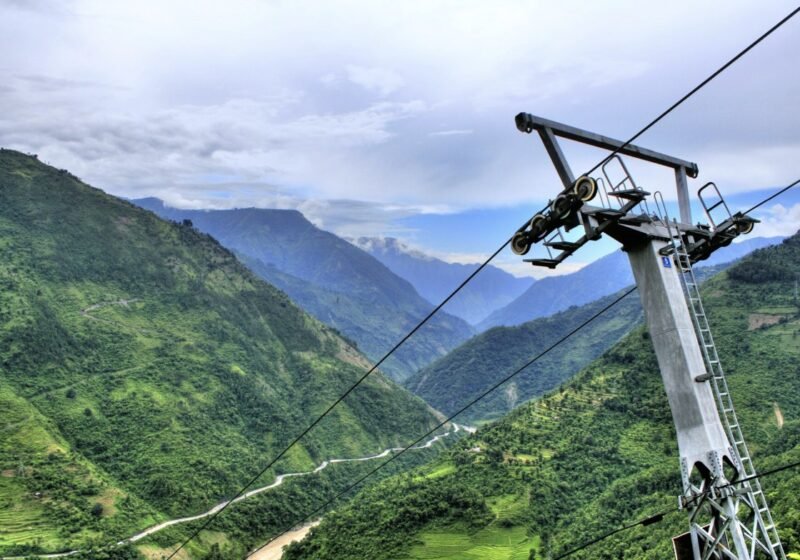
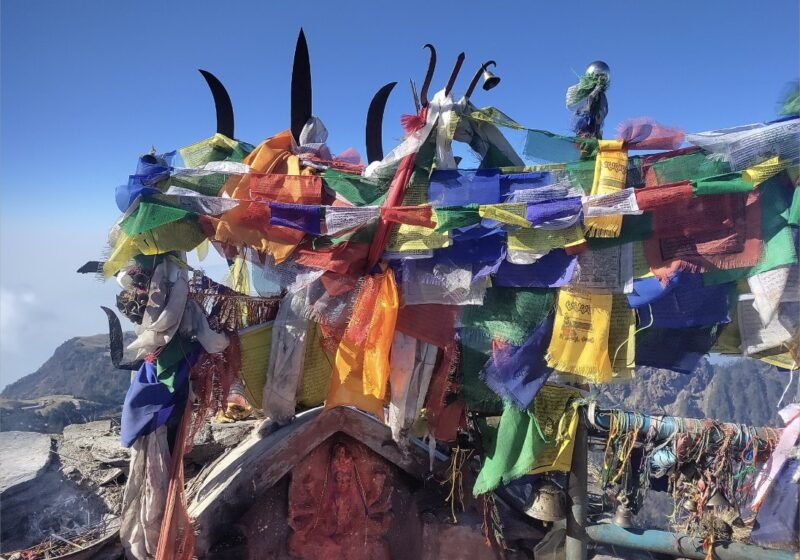
Two days to the snow line shrine of Kalinchowk Bhagwati at 3,842 meters, with a night in Kuri village and a cable car ride to the summit temple.
From US$ 75
View tour →A four day walking pilgrimage in Langtang National Park to the sacred alpine lake that Shiva himself is said to have made, at 4,380 meters.
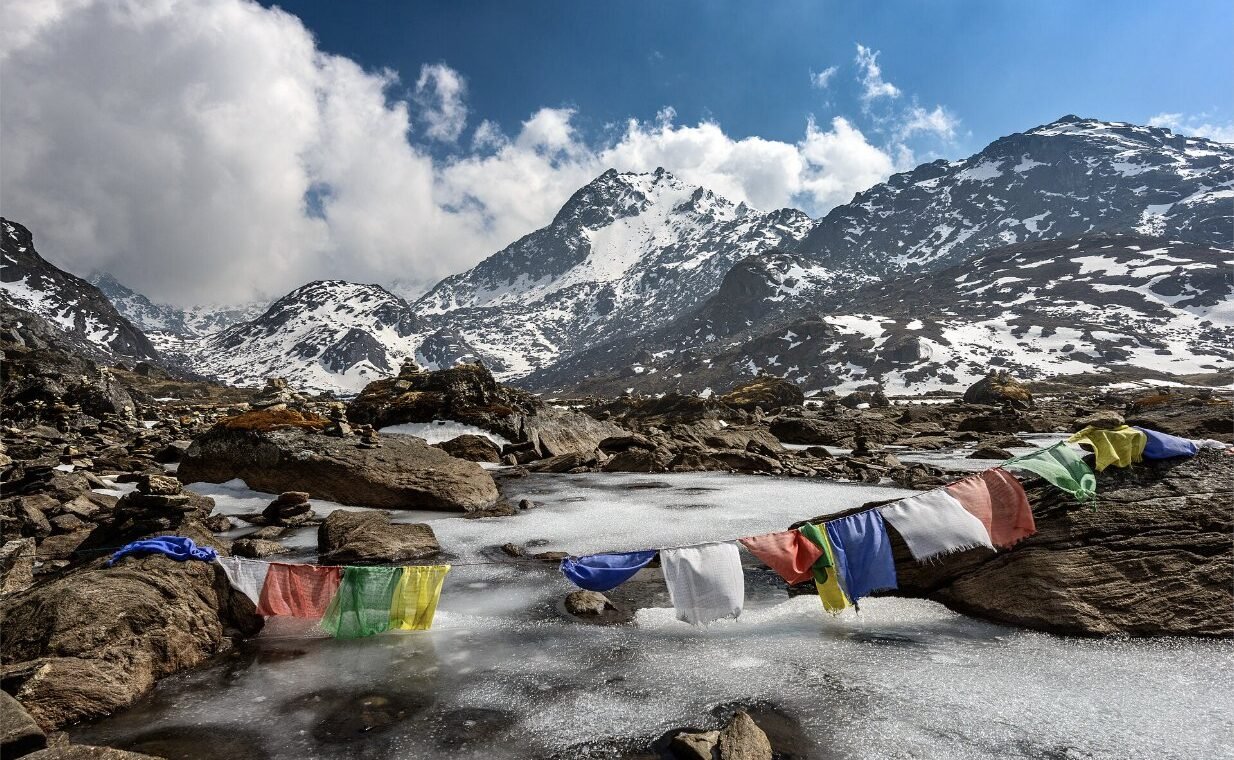
Gosaikunda is the lake Shiva made. When the churning of the ocean produced poison and he drank it to save the world, the story goes, he struck the mountain with his trident and cold water rose to cool his burning throat. The lake still holds that water at 4,380 meters, ringed by dark ridgelines in Langtang National Park, and a dip in it is said to wash away sins.
This is a true walking pilgrimage rather than a drive up darshan. From Dhunche the trail climbs through oak and rhododendron to the yak pastures of Lauribina, crosses the treeline, and reaches the holy lakes on the third morning. The walking days are short but the altitude is real, and our itinerary is paced to respect it.
During Janai Purnima, the full moon of August, thousands of pilgrims and jhankri shamans climb to the lake together and the trail becomes a moving festival. The rest of the year it is quiet, and October and November give freezing clear nights with the Langtang range sharp above the water. Teahouse lodges provide beds and dal bhat throughout.
The walking is honest hill trekking on a well used trail: two sustained ascent days, teahouse beds, and altitude that asks for respect. Anyone hill fit can do it, and our pacing, sleeping at Chandanbari rather than pushing higher on day two, follows standard acclimatization sense. Your guide watches the group, carries a first aid kit and holds the authority to slow things down.
Pack for mountain conditions in every season: warm sleeping layers, rain shell, sun protection and a headlamp. Teahouses provide blankets but a sleeping bag liner earns its space. Boots need to be walked in before the trip, not during it.
During Janai Purnima in August the trail transforms: jhankri shamans drum their way to the lake, pilgrims bathe in the freezing water, and the ridge becomes a festival. It is crowded, muddy, extraordinary and entirely worth planning around if the culture interests you more than solitude. The rest of the season offers the opposite: quiet trails and the lake to yourself at dawn.
Drive 6 to 7 hours up the Trishuli valley into Rasuwa district, overnight in Dhunche at 1,960 meters.
Climb through forest to Chandanbari at 3,330 meters, home of a small cheese factory and big views.
Above the treeline via Lauribina to the holy lakes at 4,380 meters. Afternoon darshan and a cold, starry night beside the water.
Early light on the lake, then walk down to Dhunche and drive to Kathmandu.
Comfortable walking 5 to 6 hours uphill with breaks. No technical skills are involved. If you can hike a full day at home, you can walk to Gosaikunda with sensible pacing.
Our itinerary gains height gradually and sleeps at 3,330 m before the lake at 4,380 m. Guides know the symptoms and the rule is simple: feeling bad means descending, no summit pride attached.
Roughly December to March the surface freezes and the trail carries snow. Winter treks run for experienced walkers with the right gear; spring and autumn are the open seasons for everyone.
Yes, one porter per two guests carries the main bags, you walk with a daypack. It creates local employment and saves your knees for the descent.
You may also like
Two days to the snow line shrine of Kalinchowk Bhagwati at 3,842 meters, with a night in Kuri village and a cable car ride to the summit temple.
From US$ 75
View tour →A day trip to the wish fulfilling goddess, riding Nepal's first cable car high above the Trishuli to the hilltop temple of Manakamana Bhagwati.
From US$ 65
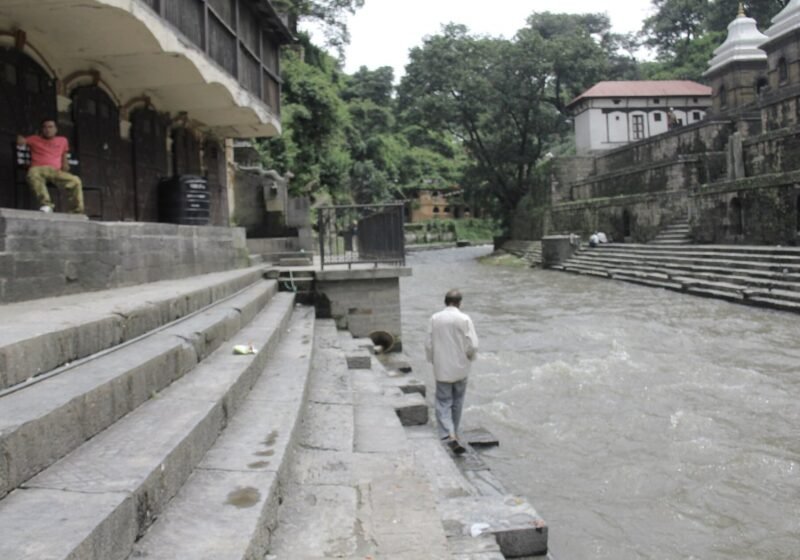
View tour →Guided darshan at Nepal's holiest Shiva temple on the Bagmati, timed for the morning rush of devotees or the fire lit evening aarti.
From US$ 35
View tour →Ready when you are
No payment is needed to inquire. You get a clear plan and a fair quote, then you decide.